Pullulanase for starch systems that need more than viscosity reduction
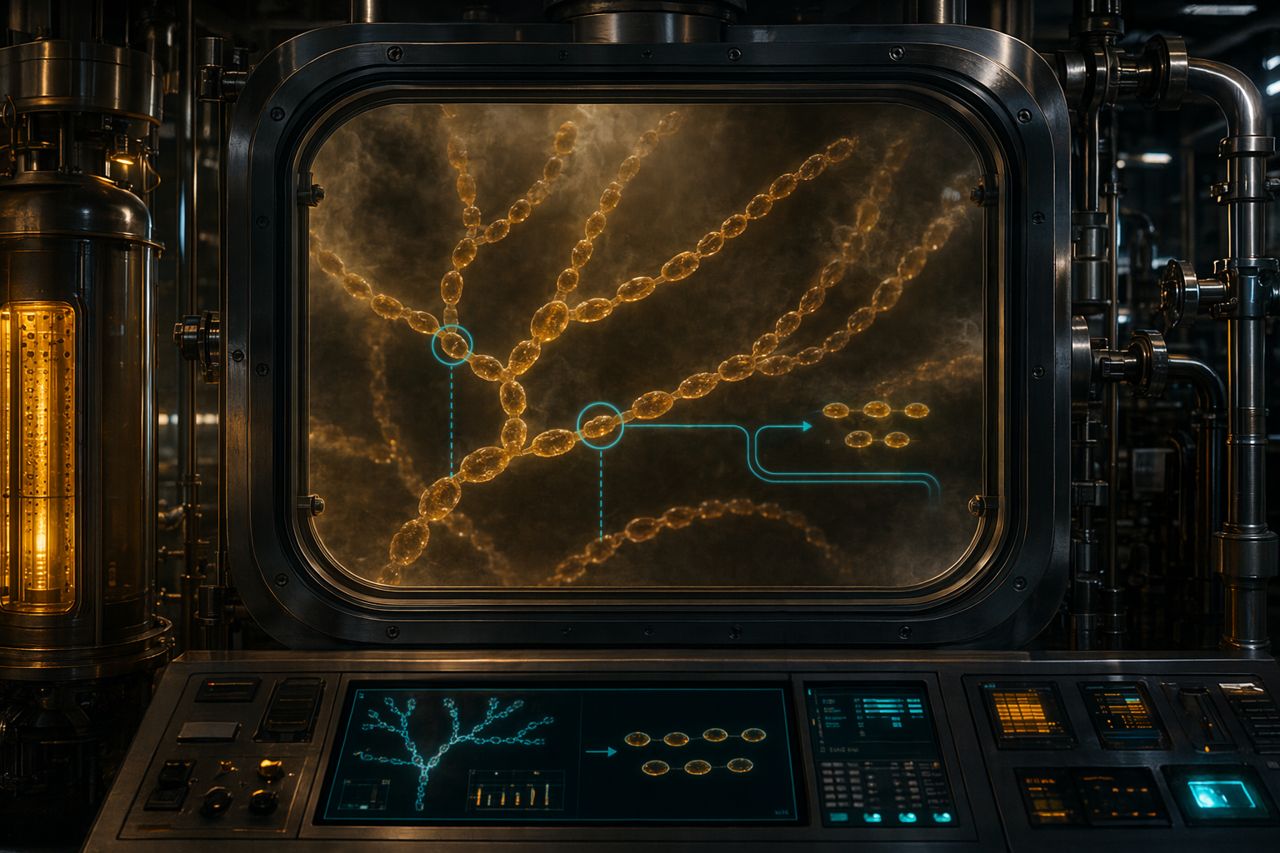
Multi-enzyme starch conversion is not just a sequence of enzymes. It is a controlled reduction of starch complexity: granular starch becomes liquefied dextrin, dextrin becomes fermentable or sweetener-grade carbohydrate, and residual branched structures determine how much value is left behind.
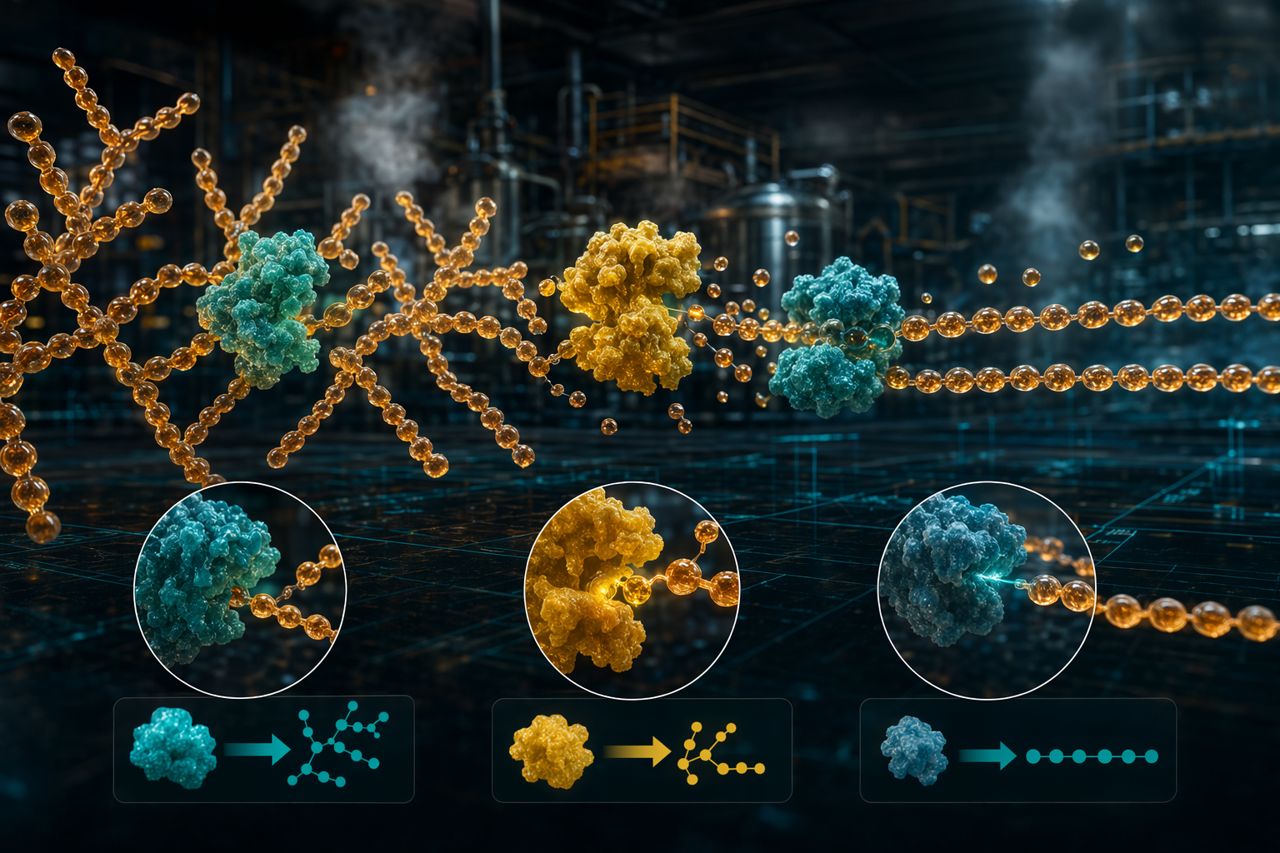
Pullulanase (Pullulan 6-alpha-glucanohydrolase) is the debranching enzyme in that system. It hydrolyzes alpha-1,6 branch points in amylopectin-derived dextrins and related branched glucans, creating cleaner linear chains for companion enzymes to finish.

Where alpha-amylase rapidly opens alpha-1,4 linkages and reduces viscosity, pullulanase addresses the architecture that alpha-amylase cannot fully resolve. Where glucoamylase releases glucose from chain ends, pullulanase increases practical access by removing branch constraints. In the right enzyme package, that can mean better starch utilization, tighter sugar profiles, improved filtration behavior, and more predictable conversion economics. Pullulanase Enzyme Solutions supplies pullulanase in bulk to syrup, fermentation and ethanol plants and to enzyme blenders and resellers building their own packages, quoted per order.
Wholesale and bulk pullulanase for manufacturers, distributors and resellers. Every order is quoted individually. Request a quote with the application, the quantity you need and the destination country.
Why branch points matter in combined enzyme programs
Starch conversion often stalls not because there is no enzyme present, but because substrate structure limits enzyme access.
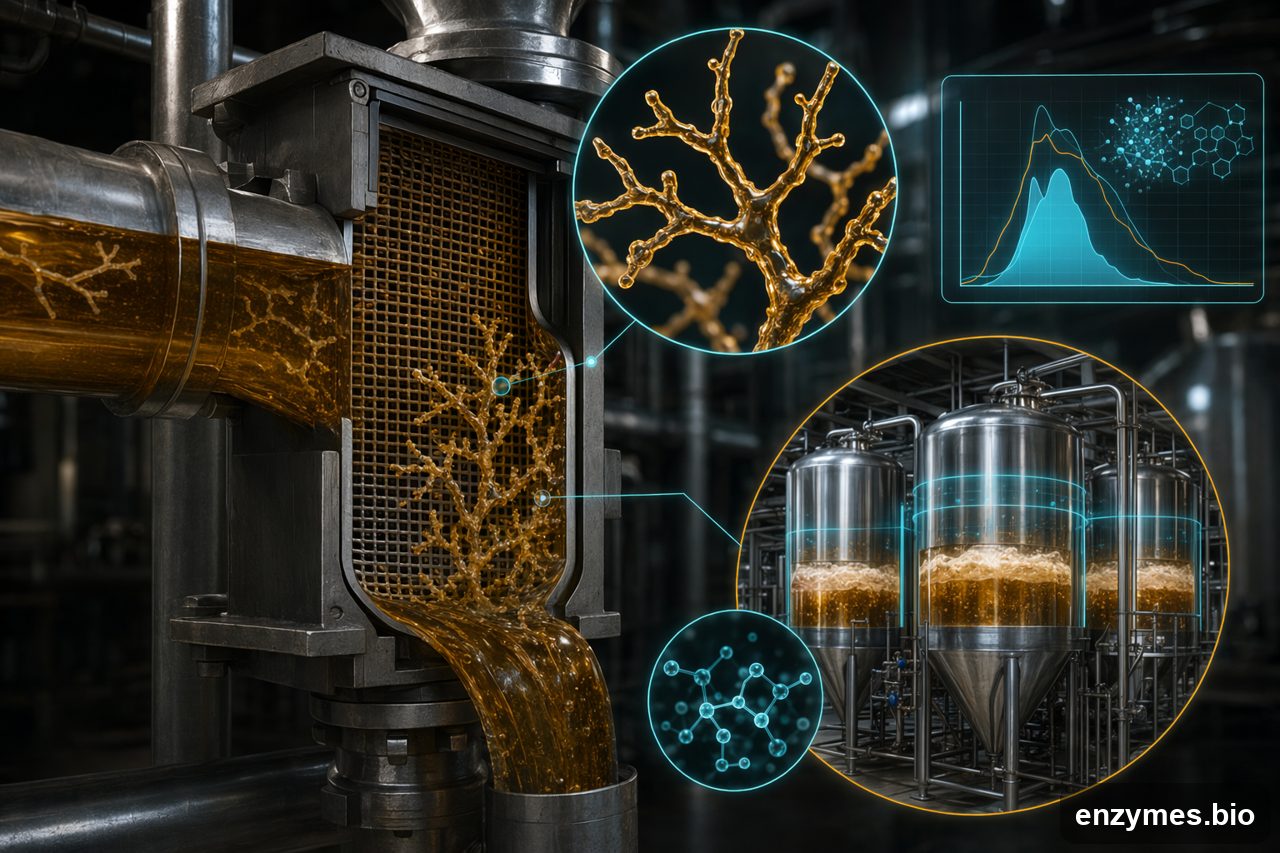
Amylopectin-rich starch contains frequent branch points. During liquefaction, alpha-amylase fragments the molecule, but branched limit dextrins can remain. These structures can slow saccharification, influence final carbohydrate distribution, and carry through into downstream separation or fermentation.
Pullulanase changes that substrate map.
In practical terms, debranching can support:
- Higher fermentable extract by exposing more convertible chain length to saccharifying enzymes.
- Improved dextrose formation when paired with glucoamylase in glucose syrup systems.
- Lower residual branched dextrin load in processes where incomplete conversion affects clarity, viscosity, or yield.
- More consistent carbohydrate profiles across variable starch lots and process conditions.
- Better enzyme package efficiency by reducing structural bottlenecks rather than increasing every enzyme in the blend.
How pullulanase fits with common starch-conversion enzymes
Alpha-amylase
Alpha-amylase is usually the viscosity-breaker and liquefaction driver. It attacks internal alpha-1,4 bonds, producing soluble dextrins and lowering process load. Pullulanase does not replace that function. It complements it by cutting the alpha-1,6 branch points that remain after liquefaction creates a more accessible substrate.
Typical design logic: liquefy first, then introduce pullulanase where the dextrin structure, temperature hold, and pH window support effective debranching.
Glucoamylase
Glucoamylase removes glucose units from non-reducing ends, but alpha-1,6 branches slow or interrupt progress. Pullulanase can increase the number of accessible linear chain segments and reduce the branched structures that limit final conversion.

Typical design logic: pair pullulanase with glucoamylase when the target is high glucose release, high fermentability, or reduced residual dextrin.
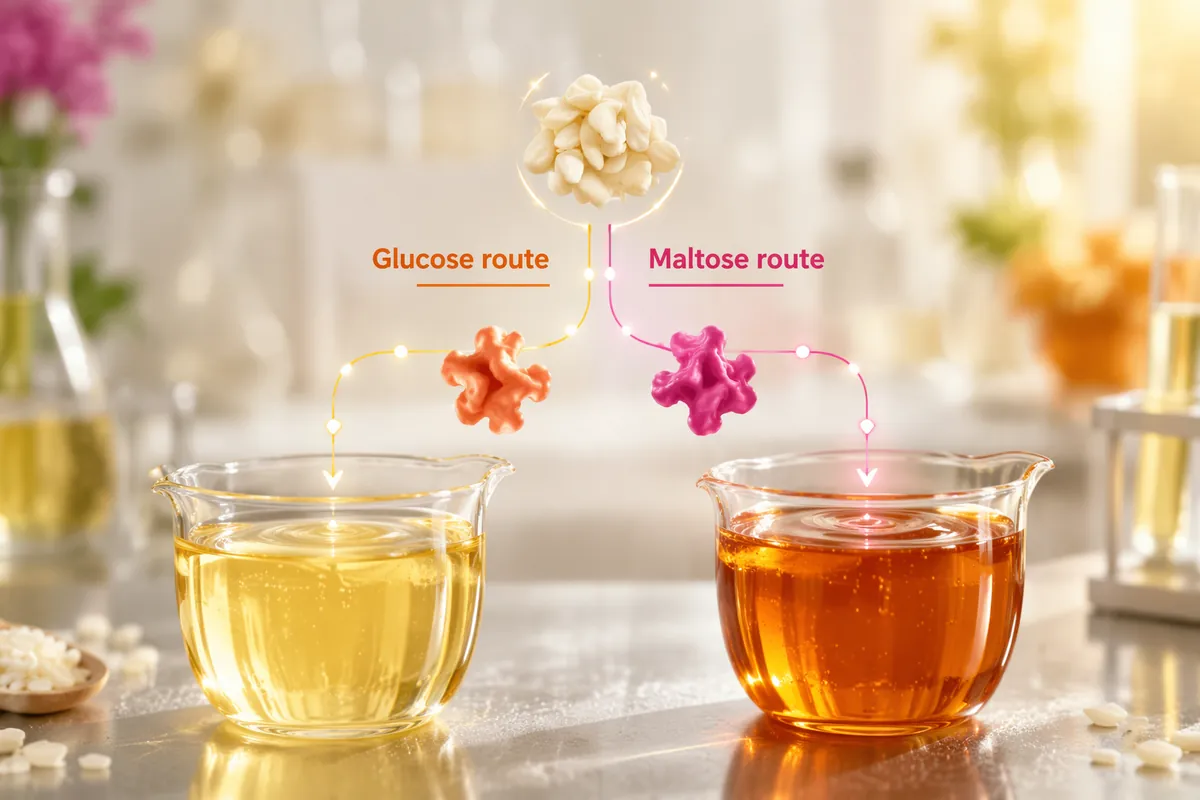
Beta-amylase and maltose-focused systems
In maltose-rich syrup or brewing applications, beta-amylase releases maltose from chain ends and is also constrained by branch architecture. Pullulanase can increase the availability of linear chains, helping the system move toward the intended maltose or fermentable extract profile.
Typical design logic: use pullulanase to reduce branch interference while maintaining the desired balance between maltose, glucose, and higher saccharides.
Maltogenic amylase and specialty carbohydrate profiles
When the target is a controlled carbohydrate distribution rather than maximum glucose, pullulanase can be used selectively. The objective is not simply “more breakdown”; it is structural access. That access can be tuned with enzyme timing, dosage strategy, and companion enzyme selection.
Typical design logic: use pullulanase when branch removal improves consistency, but validate against the final carbohydrate specification.
Application areas
Glucose syrup and sweetener production
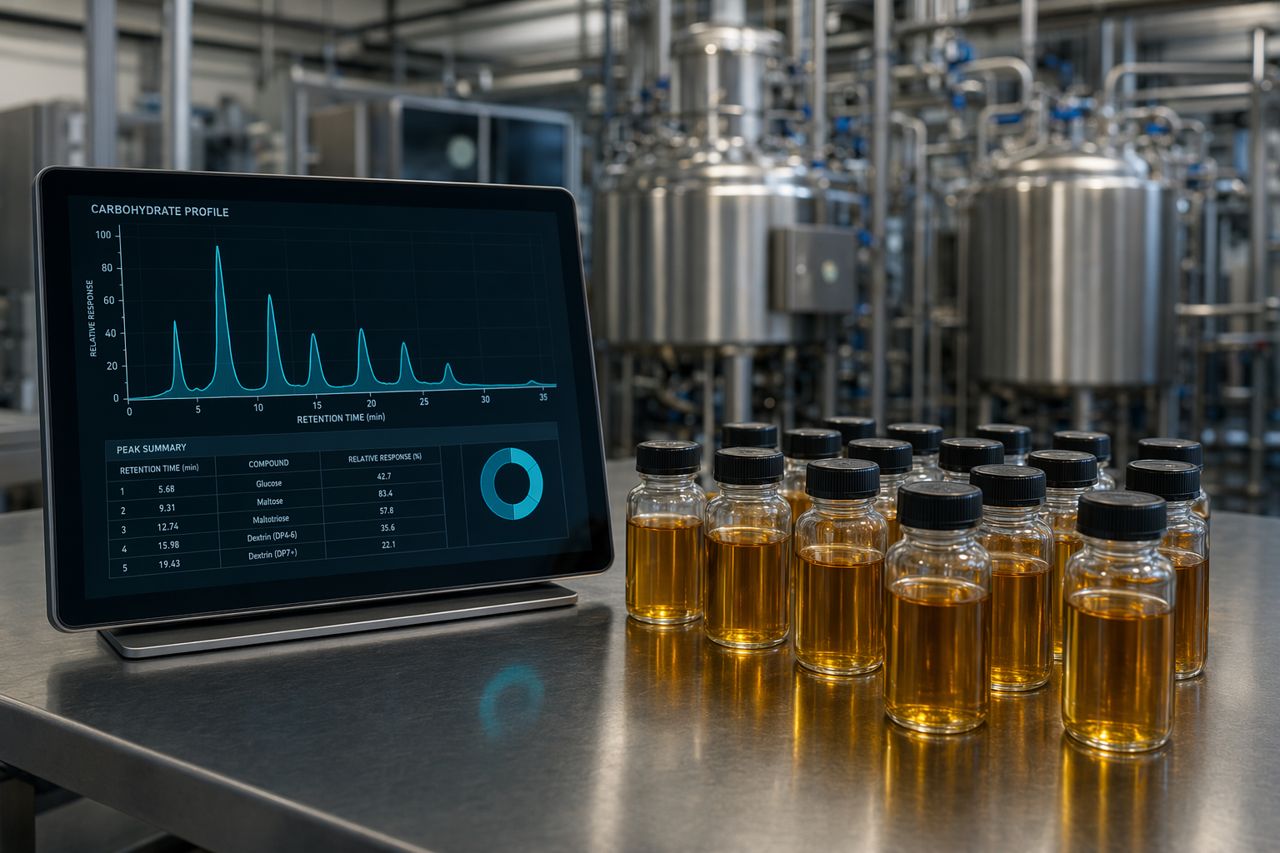
In glucose syrup production, pullulanase is used to increase debranching before or during saccharification. The commercial objective is a cleaner conversion path: fewer hard-to-convert dextrins, stronger dextrose formation, and a more predictable finish.
Processors typically evaluate pullulanase by tracking final carbohydrate profile, filtration behavior, color and clarity impact, conversion time, and enzyme cost per output ton.
Brewing and high-gravity brewing adjunct conversion
Brewing systems using adjunct starch or high-gravity mashes can benefit from improved fermentable extract. Pullulanase helps expose branched dextrins that may otherwise remain only partially fermentable, supporting attenuation targets and consistency across grist variation.
The most important design question is not whether pullulanase can debranch. It is where it fits with mash temperature steps, pH, malt enzymes, adjunct treatment, and the intended beer profile.
Distilling and fuel ethanol
For distillers and ethanol producers, the business case is straightforward: residual starch or branched dextrin represents unrealized fermentable substrate. Pullulanase can help increase conversion completeness when paired with liquefaction and saccharification enzymes.
Evaluation should focus on fermentable sugar release, final residual dextrin, fermentation kinetics, filtration or stillage behavior, and total enzyme economics.
Modified starch and carbohydrate ingredient processes
In specialty ingredient production, pullulanase can be used to create more linear glucan structures or adjust carbohydrate distribution before further processing. Here, selectivity and timing are as important as conversion intensity.
Process placement: where pullulanase earns its keep
Pullulanase performance depends on where the debranching step is positioned in the process. Placement should be selected around the actual substrate and operating window rather than copied from a generic enzyme recipe.
Key integration variables
- Substrate source: corn, wheat, potato, tapioca, rice, and mixed starch streams each present different branching, gelatinization, and impurity profiles.
- Liquefaction severity: aggressive liquefaction can change dextrin distribution and influence how much debranching remains valuable.
- pH and temperature window: the supplied pullulanase grade should be matched to the hold point where it can remain effective without disrupting companion enzymes.
- Calcium and ion profile: liquefaction chemistry can affect the broader enzyme package and should be reviewed during formulation.
- Solids loading: higher solids intensify viscosity, mixing, heat transfer, and enzyme access constraints.
- Companion enzyme balance: pullulanase often improves the productivity of other enzymes, but the blend should be optimized as a system.
- Downstream target: glucose syrup, maltose syrup, wort, ethanol mash, or specialty dextrin all require different conversion endpoints.
What procurement should specify
A pullulanase purchase should not be reduced to price per drum. For a multi-enzyme starch system, the commercial value comes from performance inside your process.
When requesting a quote, provide:
- Starch source and approximate solids range.
- Current enzyme package and where each enzyme is added.
- Process pH and temperature holds.
- Target product: glucose, maltose, fermentable extract, ethanol yield, or specialty carbohydrate profile.
- Current bottleneck: conversion time, residual dextrin, filtration, attenuation, viscosity, yield, or cost.
- Packaging preference and storage requirements.
- Trial scale, production scale, and expected ordering cadence.
Pullulanase Enzyme Solutions can then recommend an appropriate pullulanase grade, integration point, and commercial supply format for your line.
Practical workflow for implementation
Use this sequence when evaluating pullulanase in a saccharification line:
- Map the current bottleneck — identify whether the issue is conversion endpoint, residual dextrin, viscosity, filtration, attenuation, or feedstock inconsistency.
- Characterize the substrate stream — record starch source, liquefaction conditions, dry-solids target, and current enzyme program.
- Define the carbohydrate objective — specify the desired sugar profile rather than treating conversion as a single number.
- Select the insertion point — usually after liquefaction and during saccharification, with timing adjusted to companion-enzyme behavior.
- Run controlled plant-relevant trials — compare the existing process against a pullulanase-enabled workflow using the same feedstock and residence time.
- Track commercial metrics — monitor conversion endpoint, residual dextrin profile, filtration behavior, fermentability, batch consistency, and downstream yield.
Three-enzyme blends in MSG and amino acid fermentation
Monosodium glutamate and amino acid producers depend on efficient starch hydrolysis to keep production costs down and fermentation yield and product quality up. Their answer is a three-enzyme blend of alpha-amylase, glucoamylase and pullulanase, used across large-scale fermentation plants. Liquefaction runs by jet cooking at 110°C, from a slightly acidic pH up to neutral.
The results these plants report are practical: a rapid drop in viscosity, faster filtration, better protein coagulation and a transparent sugar solution with a higher DX value. Pullulanase is credited with a shorter saccharification time, and the blend as a whole with lower enzyme addition, more stable processing and better product quality.
| Blend component | Role reported in MSG and amino acid plants |
|---|---|
| Alpha-amylase | Jet liquefaction and the rapid viscosity drop |
| Glucoamylase | Saccharification to a higher-DX sugar solution |
| Pullulanase | Shorter saccharification time |
| The blend together | Lower total enzyme addition and more stable processing |
What fermentation buyers should check when they quote a blend:
- Judge the blend on the sugar solution it delivers: viscosity, filtration speed, clarity and DX.
- Compare total enzyme addition per batch, not the price of each enzyme on its own.
- Ask whether the pullulanase is already in the blend or must be dosed separately.
Development approach
We recommend evaluating pullulanase in a controlled plant-relevant trial rather than a purely academic bench test. The right trial compares current enzyme performance against a debranching-assisted package under the same substrate, hold conditions, and downstream measurement targets.
A practical trial should compare:
- Final carbohydrate profile.
- Residual branched dextrin behavior.
- Conversion time to target endpoint.
- Fermentation performance, if applicable.
- Filtration, clarity, or viscosity impact.
- Total enzyme cost against incremental output value.
The objective is not to add another enzyme for complexity. The objective is to remove a structural limit that prevents existing enzymes from reaching the target efficiently.
Ready for a quote? Use the inquiry form at the foot of this page. Tell us the application, the quantity, your preferred pack and the delivery country; price, available documents and lead time are quoted per order.
Request pricing for pullulanase in your enzyme system
If your starch conversion line is limited by residual dextrin, inconsistent sugar profile, incomplete attenuation, or declining conversion efficiency at high solids, pullulanase may be the missing debranching step.
Use the form below to request a quote or get pricing from Pullulanase Enzyme Solutions. Include enough process context for a grade recommendation and trial plan.