Pullulanase for Starch-Based Alcohol Fermentation
Starch-based alcohol production depends on how completely a mash can be converted into fermentable sugar. Liquefaction reduces viscosity and opens the starch matrix, but branched dextrins can still limit saccharification and leave carbohydrate value unused.
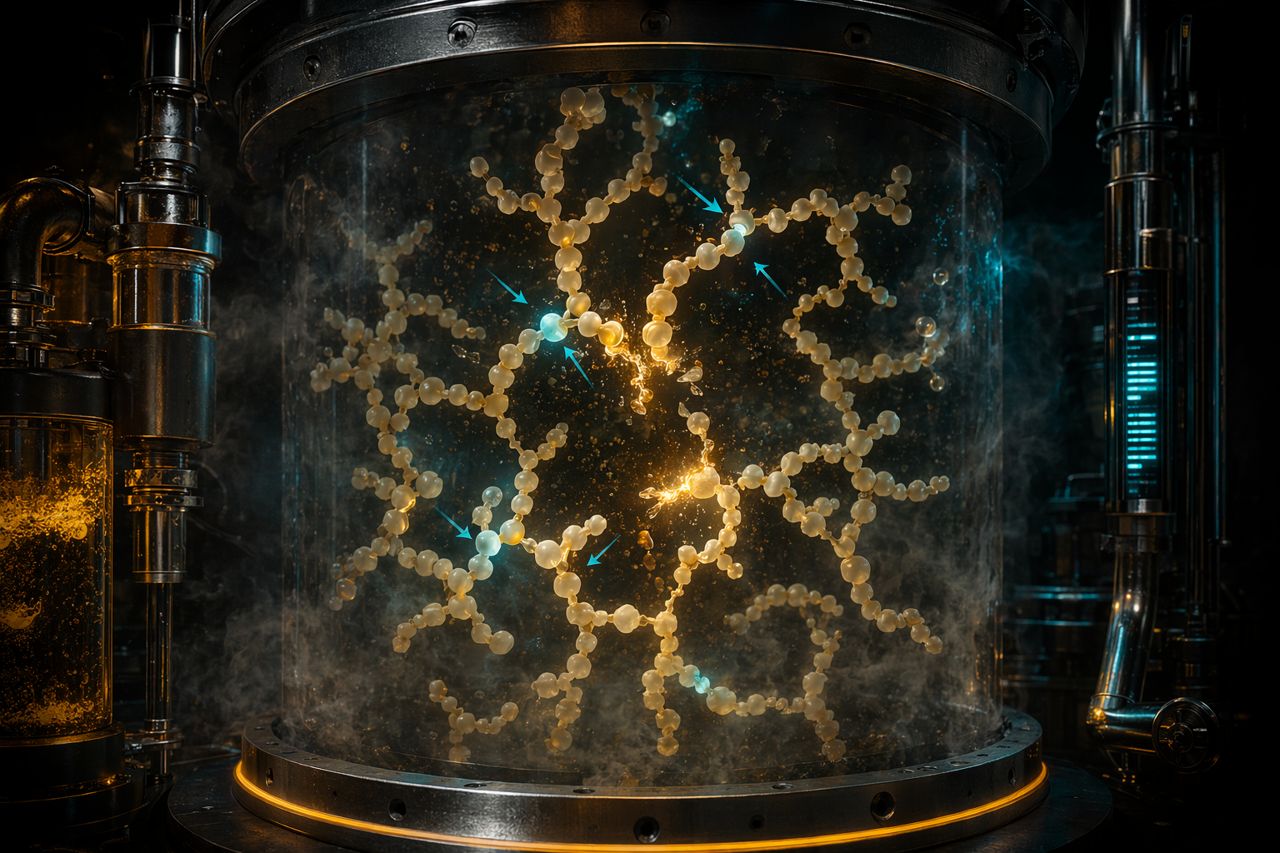
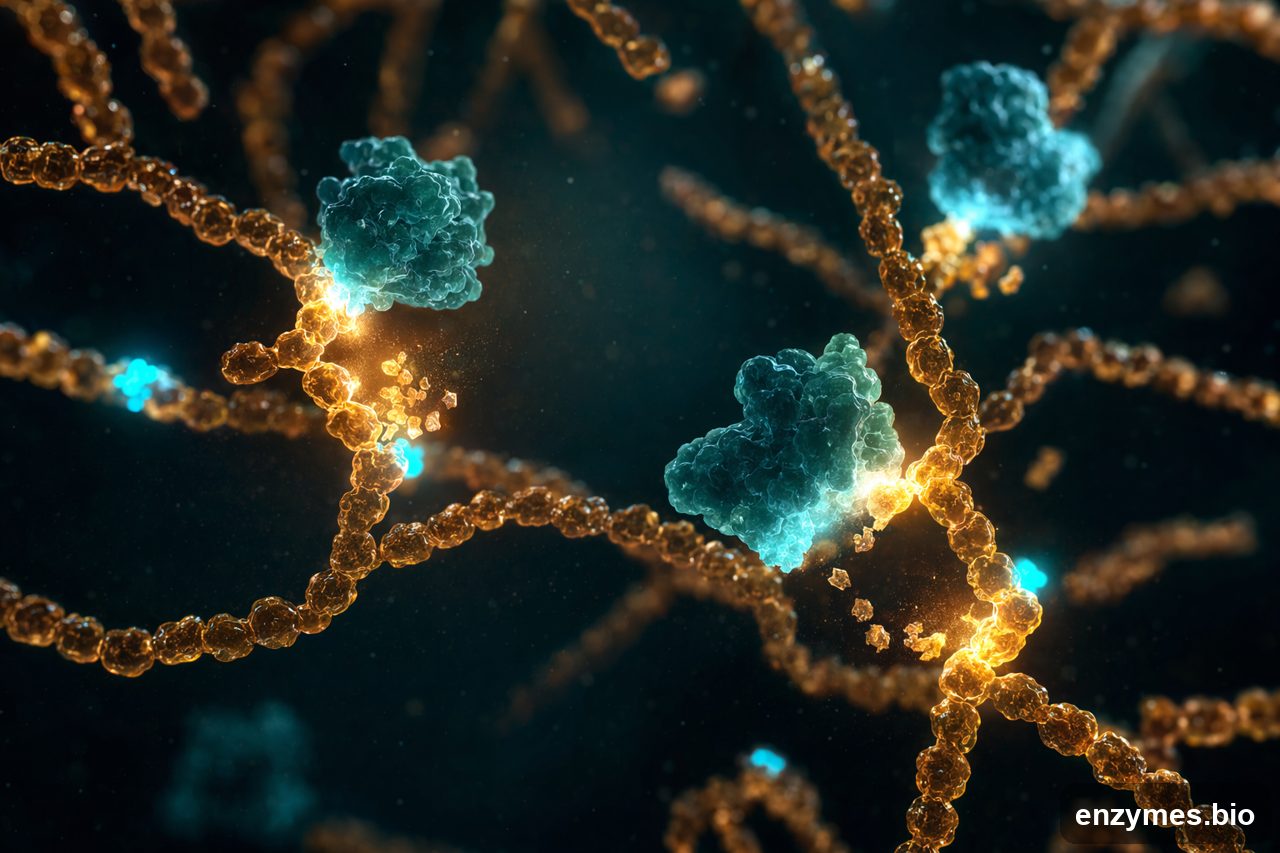
Pullulanase (Pullulan 6-alpha-glucanohydrolase) is a debranching enzyme that targets alpha-1,6 linkages in amylopectin and related branched dextrins. In practical terms, it helps convert complex starch fragments into a cleaner substrate profile for saccharifying enzymes and yeast-driven fermentation.

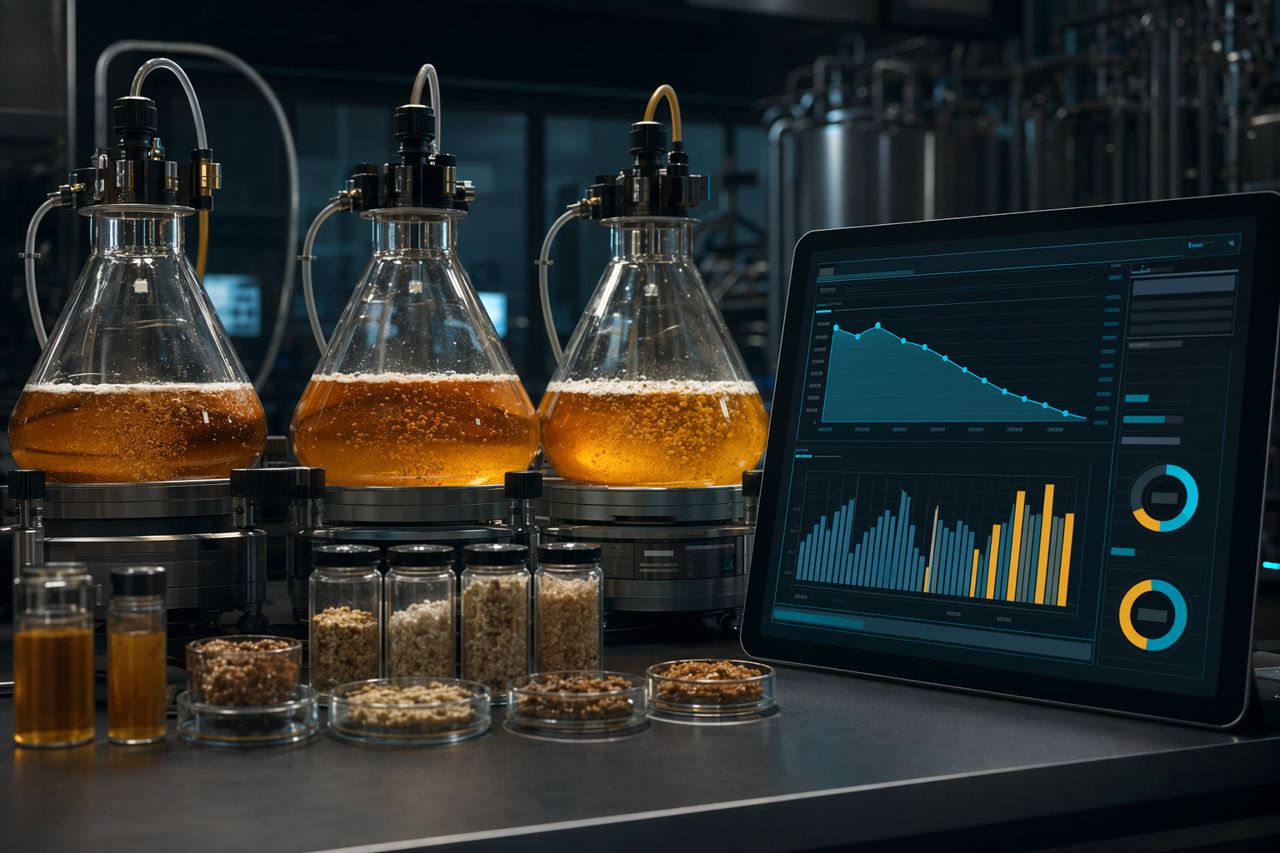
For distilleries and fuel alcohol plants processing corn, wheat, sorghum, cassava, potato, sweet potato, and mixed starch feedstocks, pullulanase is used to improve fermentable sugar availability and support higher conversion potential from the same raw material base. We supply distilleries, alcohol plants, enzyme blenders and their distributors in bulk, with every order quoted individually.
Wholesale and bulk pullulanase for manufacturers, distributors and resellers. Every order is quoted individually. Request a quote with the application, the quantity you need and the destination country.
Why debranching matters in alcohol production
Conventional starch conversion typically relies on liquefaction followed by saccharification. Alpha-amylase reduces starch into shorter chains, and glucoamylase releases glucose from chain ends. The constraint is structure: highly branched dextrins contain alpha-1,6 branch points that slow complete conversion.
Pullulanase removes that structural bottleneck by opening branch points and increasing accessible chain ends. This can improve the efficiency of the saccharification system and reduce the amount of residual dextrin entering fermentation.
Commercial outcomes to evaluate
- Higher fermentable sugar availability from liquefied starch mash
- Improved starch utilization where residual dextrin remains a conversion loss
- Stronger attenuation potential in grain and tuber-based fermentations
- More consistent fermentation performance across variable raw materials
- Cleaner carbohydrate profile entering yeast fermentation
- Potential ethanol yield improvement when debranching is the limiting step
- Better enzyme stack efficiency by improving substrate accessibility for saccharifying enzymes
Where pullulanase fits in the process
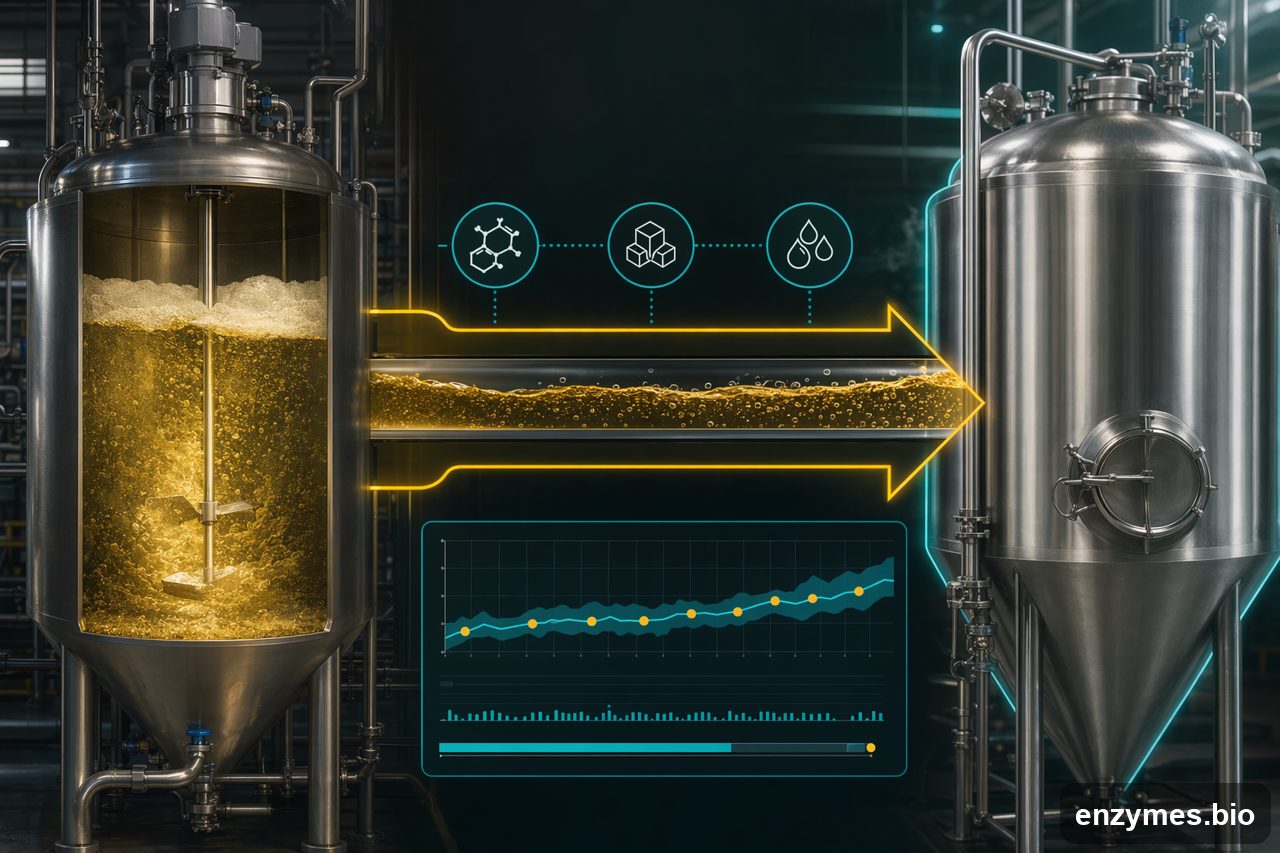
Pullulanase is typically assessed around the saccharification window, either as a dedicated debranching addition or as part of an optimized enzyme sequence with glucoamylase and supporting activities. The correct integration point depends on the feedstock, cook profile, dry solids, pH, temperature, residence time, and whether the plant runs separate hydrolysis and fermentation or simultaneous saccharification and fermentation.
Typical integration targets
| Process area | Pullulanase contribution | What to monitor |
|---|---|---|
| Liquefied grain mash | Opens branched dextrins formed after starch liquefaction | Dextrose formation, residual dextrin, viscosity trend |
| Cassava or tuber mash | Supports deeper starch conversion where substrate structure varies by crop and season | Fermentable sugar profile, attenuation, final residual carbohydrate |
| Saccharification tank | Improves access for glucoamylase by increasing available chain ends | Glucose release curve, conversion completion, process time |
| SSF operations | Supports continued carbohydrate availability during fermentation | Fermentation kinetics, residual sugar, ethanol endpoint |
| High-solids processing | Helps reduce unconverted carbohydrate load in dense mash systems | Mash handling, conversion efficiency, downstream stability |
Best-fit applications
Pullulanase is a strong candidate when the plant is trying to recover more value from starch without changing the core production architecture.
Grain alcohol
Corn, wheat, sorghum, barley, and mixed grain mashes can contain persistent branched dextrins after liquefaction. Pullulanase helps simplify these structures so the saccharification system has better access to convertible carbohydrate.
Tuber and root alcohol
Cassava, potato, and sweet potato starches can vary significantly in granule behavior, viscosity, and conversion response. Pullulanase gives process teams another control point for improving fermentable sugar release from variable feedstocks.
Fuel ethanol
In fuel ethanol operations, even small improvements in starch utilization can have material commercial impact. Pullulanase should be evaluated where residual dextrin, incomplete conversion, or feedstock variability is limiting ethanol productivity.
Neutral spirit and beverage alcohol
For beverage and industrial neutral spirit production, pullulanase can support cleaner carbohydrate conversion and more predictable fermentation behavior, especially in starch-heavy mashes where dextrin carryover affects performance.
Selection criteria for procurement and technical teams
A pullulanase product should be selected against the operating reality of the plant, not a generic specification sheet. Pullulanase Enzyme Solutions helps buyers and formulation teams qualify the right option based on process fit and commercial targets.
Key qualification questions
- What starch source is used, and how variable is the incoming raw material?
- Is the process separate saccharification, SSF, or a hybrid configuration?
- Where are residual dextrins appearing in the conversion profile?
- What pH and temperature ranges are active during the intended addition point?
- Which alpha-amylase, glucoamylase, and accessory enzymes are already in use?
- Is the main objective yield improvement, cycle time reduction, consistency, or enzyme stack optimization?
- What plant constraints limit changes to cook, hold time, or fermentation protocol?
How to run a practical evaluation
A successful trial should connect enzyme performance to plant economics. We recommend evaluating pullulanase through a controlled comparison that reflects actual mash conditions and raw material variation.
Suggested trial readouts
- Fermentable sugar profile before fermentation
- Residual dextrin after saccharification and at fermentation completion
- Mash viscosity and handling observations
- Fermentation rate and endpoint consistency
- Ethanol yield or alcohol concentration trend
- Enzyme cost contribution relative to additional converted starch
- Downstream effects on separation, stillage, and overall process stability
Technical position
Pullulanase does not replace liquefaction or saccharification. It strengthens the conversion system by addressing the branch-point limitation that standard chain-cutting and exo-acting enzymes cannot fully resolve on their own. The best results come from coordinated enzyme sequencing, feedstock-specific trials, and a clear definition of the plant’s limiting factor.
For processors targeting higher starch utilization, pullulanase is one of the most direct tools for converting branched carbohydrate into fermentation-ready substrate.
Ready for a quote? Use the inquiry form at the foot of this page. Tell us the application, the quantity, your preferred pack and the delivery country; price, available documents and lead time are quoted per order.
Request pullulanase pricing and technical fit
Use the form below to request a quote, compare supply options, or schedule a technical discussion for your starch-based alcohol process. Leads go directly to the Pullulanase Enzyme Solutions team.