Pullulanase for Bioethanol Saccharification
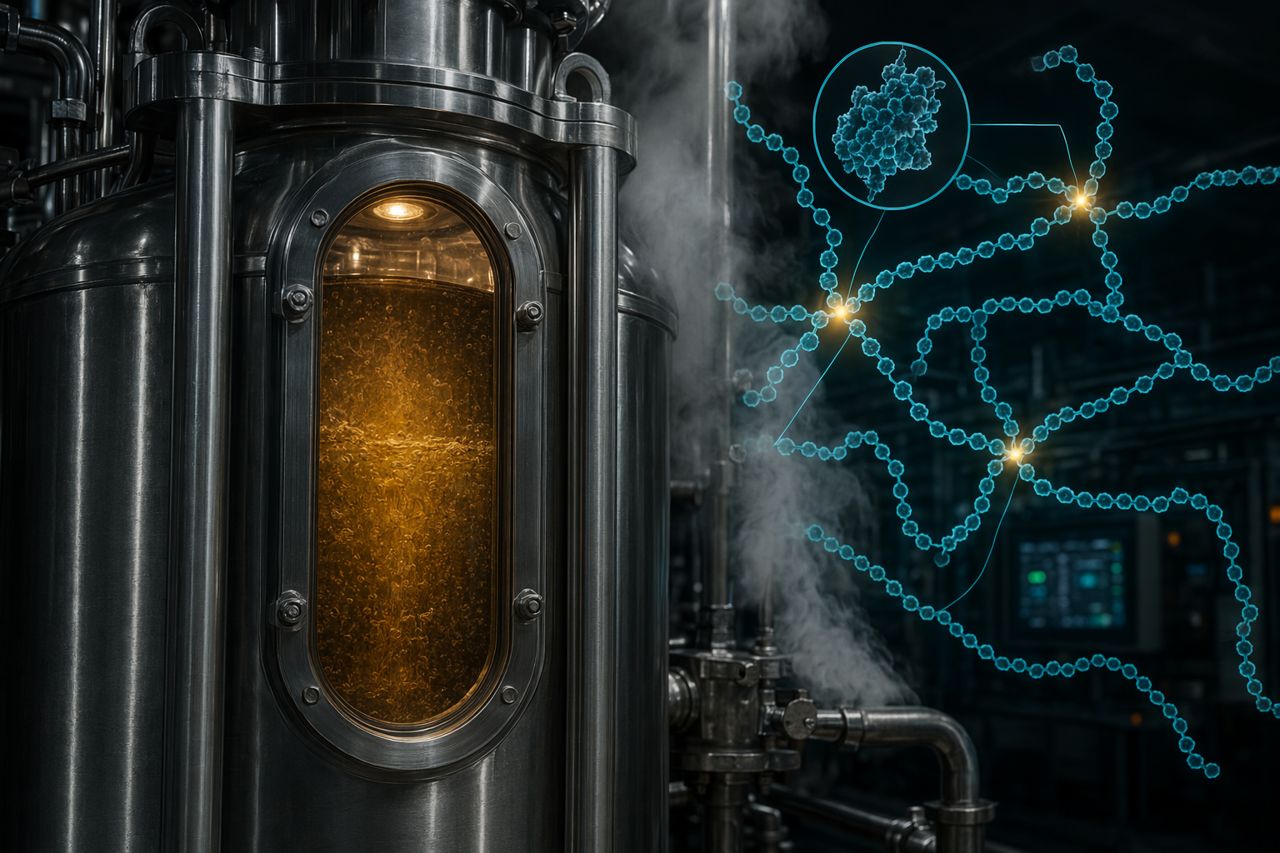
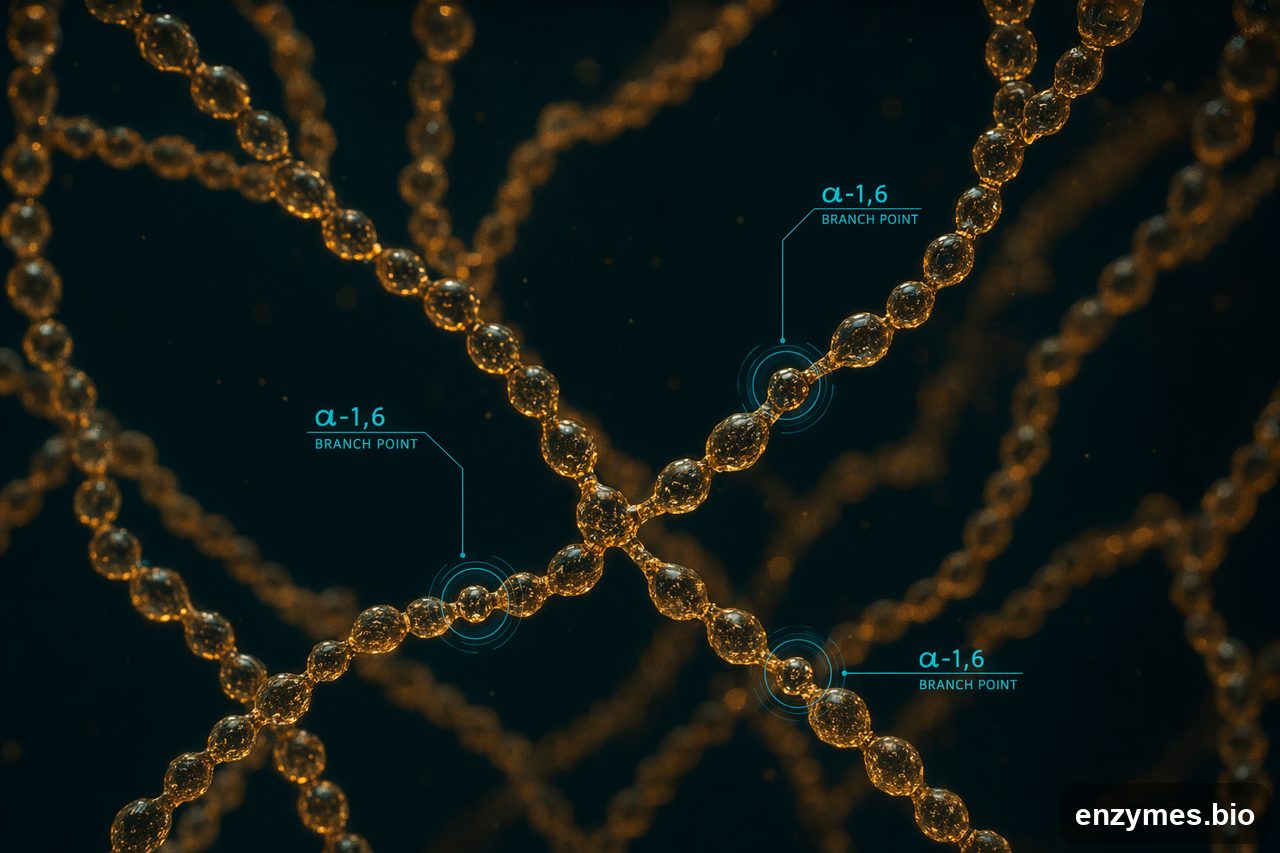
Starch-to-ethanol plants are designed to convert as much incoming grain starch as possible into fermentable sugars. The problem is not only liquefaction. A persistent fraction of starch-derived material remains locked in branched dextrins, where alpha-1,6 linkages limit the access of conventional saccharifying enzymes.
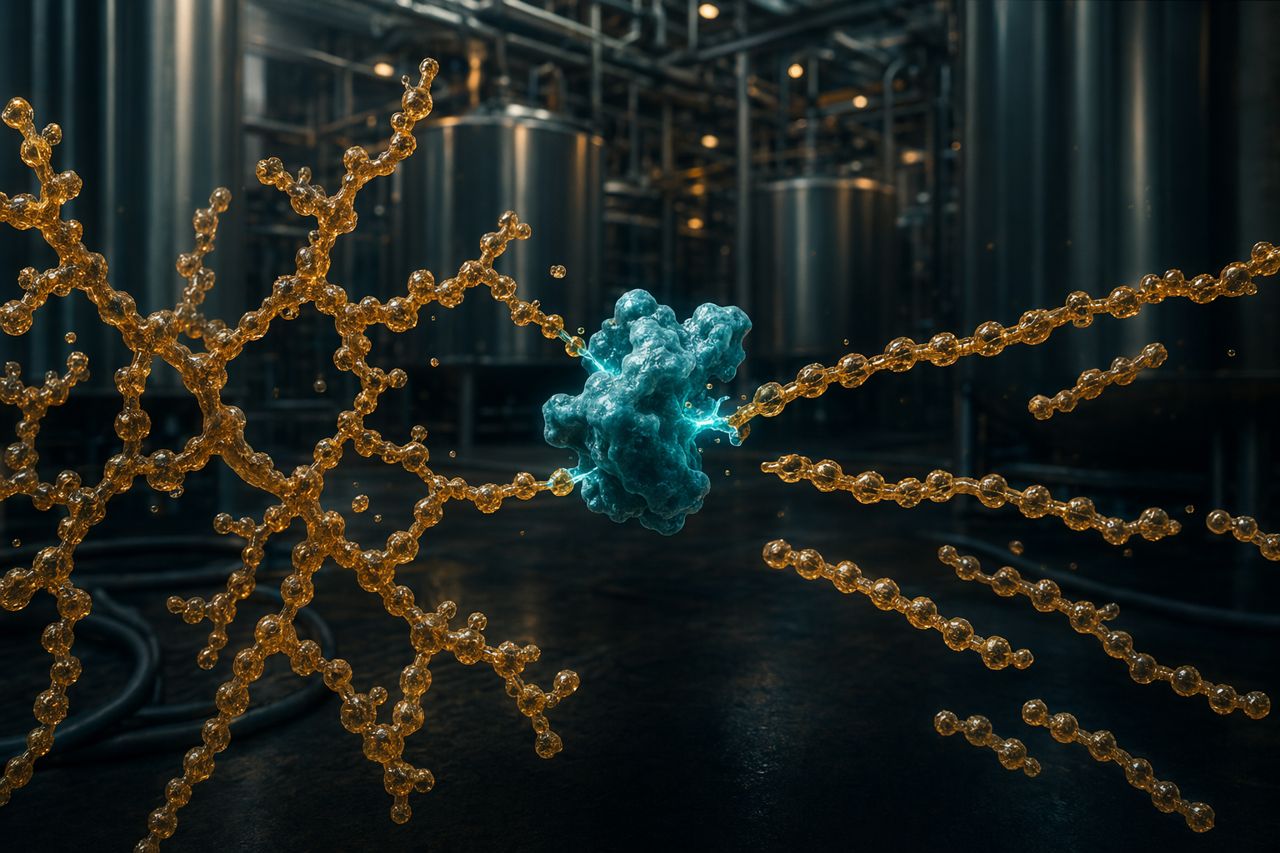
Pullulanase (Pullulan 6-alpha-glucanohydrolase) targets those branch points. Used as a debranching step in bioethanol saccharification, it helps simplify dextrin structure, increase fermentable sugar availability, and reduce the carbohydrate left behind after fermentation.
This page is about starch-based ethanol from corn, wheat, cassava and mixed grain: pullulanase debranches starch dextrins; it is not a cellulase for cellulosic feedstocks. Pullulanase Enzyme Solutions supplies pullulanase in bulk to ethanol plants, enzyme blenders and the distributors who serve them, quoted per order for trial lots and repeat production supply.
Wholesale and bulk pullulanase for manufacturers, distributors and resellers. Every order is quoted individually. Request a quote with the application, the quantity you need and the destination country.
What pullulanase does in ethanol production
Pullulanase hydrolyzes alpha-1,6 glycosidic bonds in branched starch hydrolysates. In a corn, wheat, cassava, or mixed-starch ethanol process, that debranching action can make liquefied starch more accessible to downstream saccharification.
In practical terms, pullulanase can help:
- Reduce residual branched dextrins that resist full conversion
- Improve the availability of linear chains for further hydrolysis
- Support higher fermentable sugar formation from the same starch input
- Improve fermentation feedstock consistency
- Reduce the carbohydrate fraction that reaches stillage unconverted
- Support process optimization alongside alpha-amylase and glucoamylase systems
Pullulanase is not a replacement for the core ethanol enzyme system. It is a targeted debranching tool that can improve how well that system completes the job.
Why branched dextrins matter
During liquefaction, alpha-amylase rapidly reduces starch viscosity and generates shorter dextrins. However, amylopectin-derived branch structures can remain. These branched molecules are harder to fully saccharify because alpha-1,6 linkages restrict the formation of readily fermentable sugars.
When those branched dextrins pass through the process, they can show up as:

- Lower-than-expected fermentable sugar release
- Higher residual dextrin levels after saccharification
- Fermentation feedstock variability
- Reduced ethanol yield potential from available starch
- More unconverted carbohydrate in downstream solids streams
Pullulanase addresses that structural bottleneck directly by opening branch points and improving access for complementary carbohydrases.
Where it fits in a bioethanol workflow
Pullulanase is typically evaluated around the saccharification stage or in process zones where liquefied starch dextrins are available and conditions are compatible with the enzyme system. The right integration point depends on plant configuration, substrate, pH strategy, residence time, and the existing enzyme package.
Common evaluation objectives include:
-
Residual dextrin reduction
Compare treated and untreated streams for remaining branched carbohydrate after saccharification and fermentation. -
Fermentable sugar improvement
Track glucose and other fermentable sugar availability in the feedstock before yeast uptake. -
Ethanol yield support
Determine whether debranching improves conversion from the same starch basis under plant-relevant conditions.
-
Process robustness
Assess whether pullulanase reduces batch-to-batch variation when grain quality, starch structure, or solids loading changes. -
Downstream solids profile
Review whether less unconverted carbohydrate is carried into stillage and coproduct streams.
Commercial value for ethanol plants
For a production facility, enzyme value is not defined by a label claim. It is defined by conversion, consistency, and cost-in-use.
Pullulanase can be commercially relevant when a plant is targeting:
- Higher starch conversion without major equipment changes
- More complete saccharification of liquefied mash
- Improved fermentation feedstock quality
- Reduced carbohydrate losses to residual solids
- Better performance from existing glucoamylase programs
- A more disciplined enzyme strategy for high-solids processing
The best-case use is usually not the highest possible addition rate. It is the minimum effective debranching contribution that delivers a verified process gain.
Formulation and procurement considerations
Procurement teams and process engineers should evaluate pullulanase as a production input, not just as a catalog enzyme. Key selection points include:
- Compatibility with existing saccharification conditions
- Performance on the plant’s actual substrate and liquefaction profile
- Stability across expected process variation
- Handling format and storage requirements
- Lot-to-lot consistency
- Documentation for industrial use
- Supply reliability and lead-time discipline
- Technical support for controlled plant trials
Pullulanase Enzyme Solutions focuses on application-fit supply: the enzyme specification, handling guidance, and trial plan should match the ethanol process where the material will be used.
How to evaluate pullulanase in your plant
A useful trial should be structured around plant economics, not isolated lab curiosity. We recommend establishing a baseline and then evaluating debranching performance under realistic process conditions.
A practical evaluation may include:
- Baseline mapping of residual dextrin and fermentable sugar profile
- Side-by-side saccharification comparison with the current enzyme program
- Fermentation comparison using matched feedstock and yeast conditions
- Review of final ethanol output, residual carbohydrate, and solids impact
- Cost-in-use review against the observed conversion benefit
This creates a clear answer to the real question: does pullulanase improve the plant’s conversion economics under the conditions that matter?
Pullulanase for corn, wheat, cassava, and mixed starch feedstocks
Different feedstocks produce different dextrin structures after liquefaction. Corn-based processes may show different debranching opportunities than wheat, cassava, sorghum, or mixed-feedstock operations. Pullulanase is most valuable when the plant has identifiable branched dextrin carryover or when saccharification performance is constrained by amylopectin-derived structures.
Pullulanase Enzyme Solutions can support evaluation across feedstock types by focusing on the process indicators that matter: dextrin reduction, fermentable sugar release, fermentation behavior, and conversion economics.
Ready for a quote? Use the inquiry form at the foot of this page. Tell us the application, the quantity, your preferred pack and the delivery country; price, available documents and lead time are quoted per order.
Request pricing or technical fit guidance
If you are evaluating pullulanase for bioethanol saccharification, share your feedstock, process stage of interest, existing enzyme approach, and commercial objective. We will respond with fit guidance, supply options, and pricing for the site’s own quotation process.