Pullulanase for High-Maltose Syrup Processing
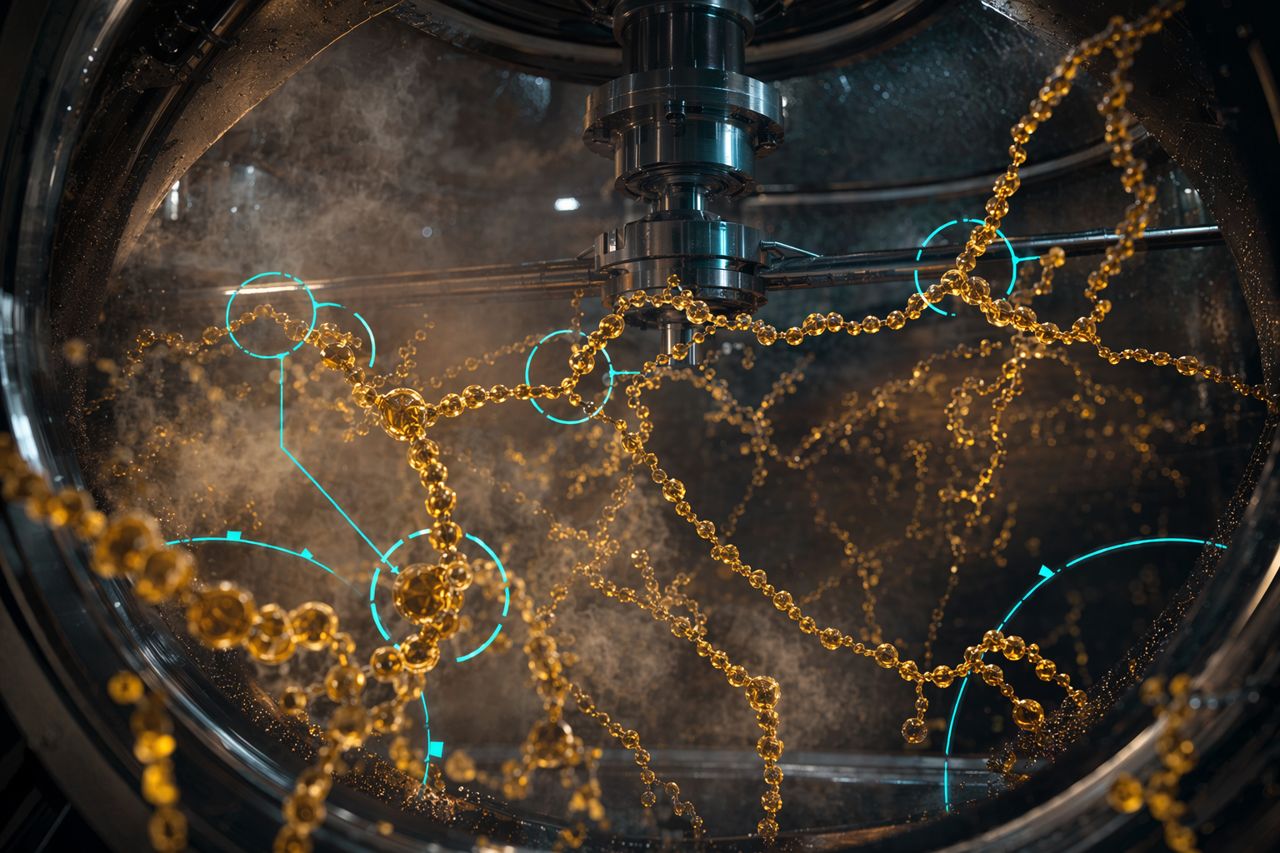
High-maltose syrup production depends on more than liquefaction. After starch is opened into shorter chains, α-1,6 branch points can still restrict beta-amylase access and leave resistant dextrins in the hydrolysate. Pullulanase removes that structural bottleneck.
Pullulanase (Pullulan 6-alpha-glucanohydrolase) hydrolyzes α-1,6 glucosidic linkages in amylopectin-derived dextrins and pullulan-type structures. In a coordinated saccharification system, it converts branched substrates into more linear chains, allowing maltose-forming enzymes to work more efficiently.
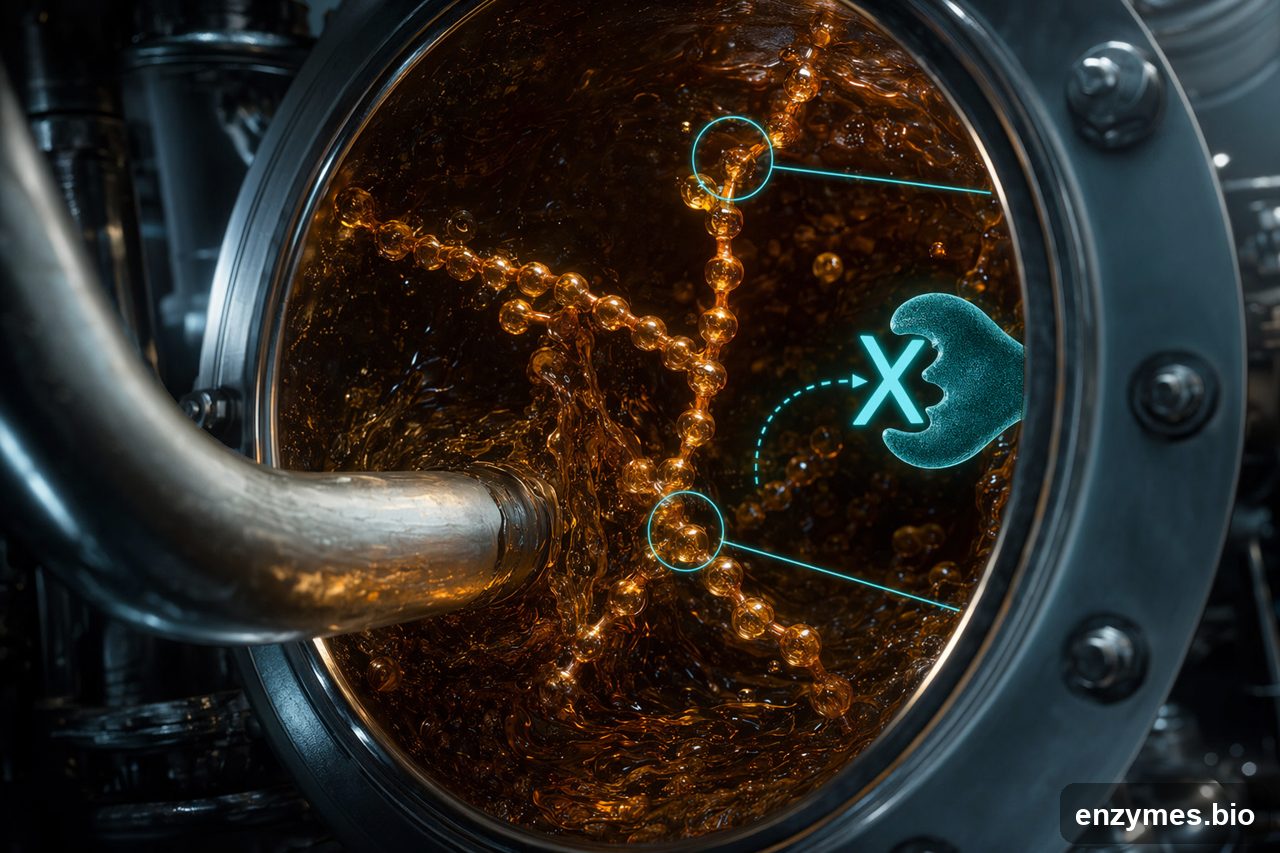
For syrup producers, the result is a more controllable path toward targeted maltose profiles, reduced residual branching, and better starch utilization.
Why debranching matters in high-maltose syrup
Starch hydrolysates are not uniform. Even after liquefaction, the substrate contains a mix of linear dextrins, branched dextrins, maltose, maltotriose, glucose, and higher saccharides. Branch points limit the conversion pathway because maltose-producing enzymes primarily act along accessible linear chain ends.
Pullulanase improves the available substrate architecture by cutting α-1,6 branch points. This can help processors:
- Increase the proportion of fermentable and syrup-relevant maltose-forming chains
- Reduce branch-derived residual dextrins that hold back final carbohydrate profile
- Support tighter control of maltose, maltotriose, glucose, and higher saccharides
- Improve conversion consistency when starch source or liquefaction quality varies
- Reduce viscosity-related handling constraints in later saccharification stages
- Support clearer downstream processing through a more complete hydrolysis pathway
Where pullulanase fits in the process
Pullulanase is typically evaluated as part of the saccharification enzyme package following liquefaction. Its value depends on the full system: starch base, liquefaction endpoint, dry solids, pH window, temperature profile, hold time, target syrup spectrum, and the companion enzymes already in use.
A practical integration review usually focuses on four questions:
- What is the maltose target? The desired carbohydrate distribution determines how aggressively branch points need to be reduced.
- What substrate is entering saccharification? Liquefaction consistency affects pullulanase access and the balance between debranching and maltose formation.
- Which enzyme system is already in place? Pullulanase must be matched with beta-amylase and other saccharification enzymes rather than treated as a stand-alone fix.
- What downstream constraints matter most? Syrup clarity, filtration, evaporation behavior, fermentation use, and customer specifications can all influence the preferred operating strategy.
Commercial advantages for syrup plants
Higher conversion control
By reducing α-1,6 branch limitations, pullulanase helps shift the hydrolysate toward a cleaner maltose-producing pathway. This improves the processor’s ability to hit defined carbohydrate profiles instead of relying on longer residence time or repeated process adjustment.
Better starch utilization
Unresolved branch points can represent underused carbohydrate potential. Debranching makes more of the substrate available to the rest of the saccharification system, supporting yield discipline and more efficient use of starch input.
More stable process behavior
High-maltose syrup lines often need to absorb variation in starch quality, liquefaction performance, and plant conditions. Pullulanase can improve robustness by simplifying the molecular structure of the hydrolysate before final profile development.
Cleaner downstream handling
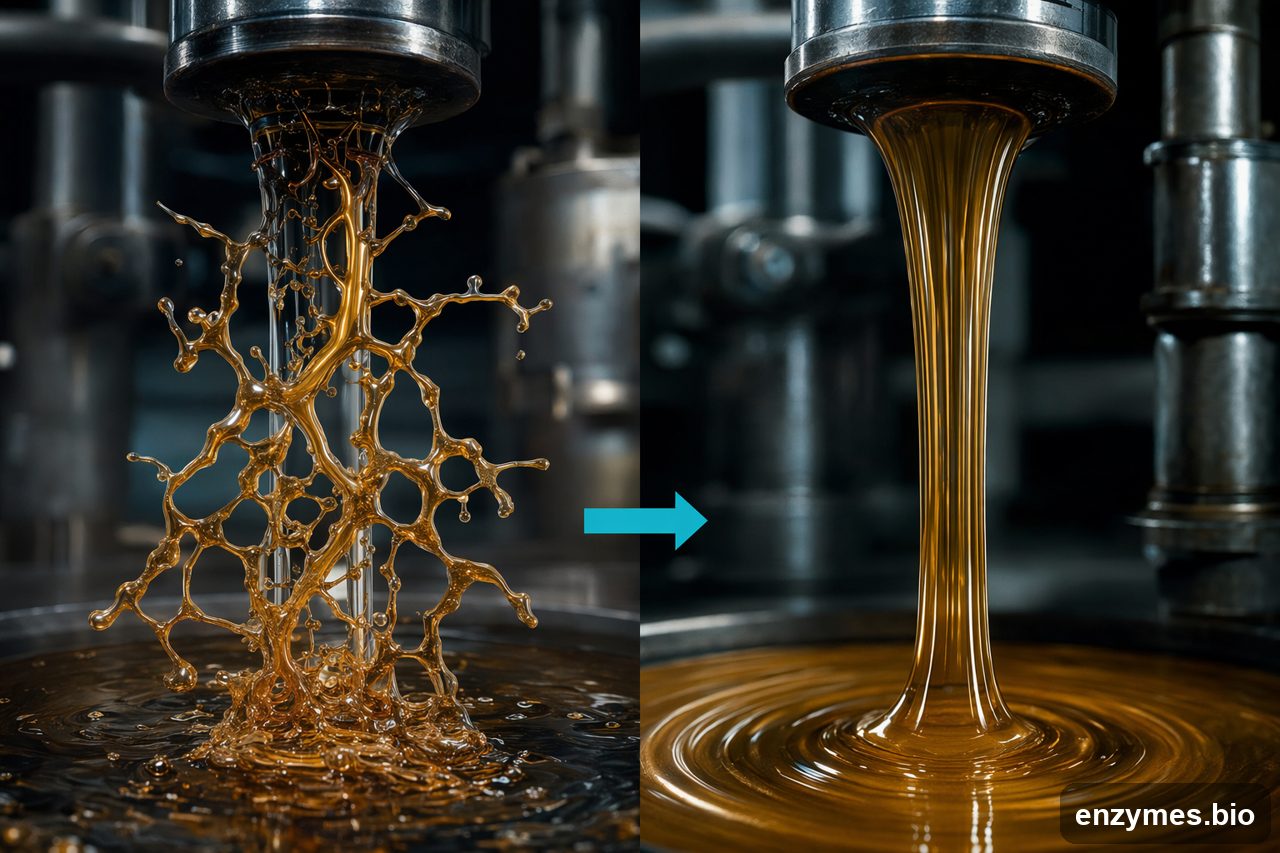
A more complete and coordinated hydrolysis pathway can reduce high-molecular residuals that contribute to viscosity, haze risk, and inconsistent downstream performance. The benefit is especially relevant where syrup must meet demanding filtration, blending, brewing, confectionery, or fermentation specifications.
Application areas
Pullulanase is commonly assessed for high-maltose and maltose-rich syrup systems serving:
- Brewing adjunct syrup production
- Fermentation feedstocks
- Confectionery and cereal sweetener systems
- Food ingredient syrups requiring defined carbohydrate profiles
- Industrial starch conversion lines seeking improved utilization and consistency
Selection criteria for procurement and technical teams
When sourcing pullulanase for high-maltose syrup, the lowest quoted cost per kilogram rarely tells the full story. The better comparison is process value under your line conditions.
Key procurement and technical checkpoints include:
- Compatibility with the plant’s pH and temperature window
- Performance in the target starch base and liquefaction style
- Stability through the intended saccharification hold
- Fit with existing beta-amylase and saccharification enzyme packages
- Format suitability for storage, handling, dosing, and plant hygiene practices
- Lot-to-lot consistency and documentation expectations
- Trial support for carbohydrate profile measurement and process interpretation
Pullulanase Enzyme Solutions supports evaluation around the actual syrup target, not generic enzyme substitution. We help define what should be measured during trials, where pullulanase should be introduced, and how to compare performance against current production baselines.
Trial planning: what to measure
A useful plant or lab trial should connect enzyme use to commercial outcomes. Recommended comparison points include:
- Final maltose percentage and full carbohydrate distribution
- Residual dextrin profile
- Saccharification time to target
- Viscosity trend during conversion
- Filtration or downstream handling behavior
- Syrup clarity and customer-relevant quality checks
- Starch input efficiency and batch-to-batch repeatability
The goal is not simply to add another enzyme. The goal is to remove a known structural limitation in starch hydrolysis and determine whether debranching improves the economics and reliability of the syrup line.
Request pricing or a technical quote
Tell us your starch source, current enzyme system, target maltose profile, and intended trial scale. Pullulanase Enzyme Solutions will respond with a pullulanase recommendation, available format options, documentation scope, and commercial pricing for your application.