Pullulanase in Brewing and Low-Carbohydrate Beer
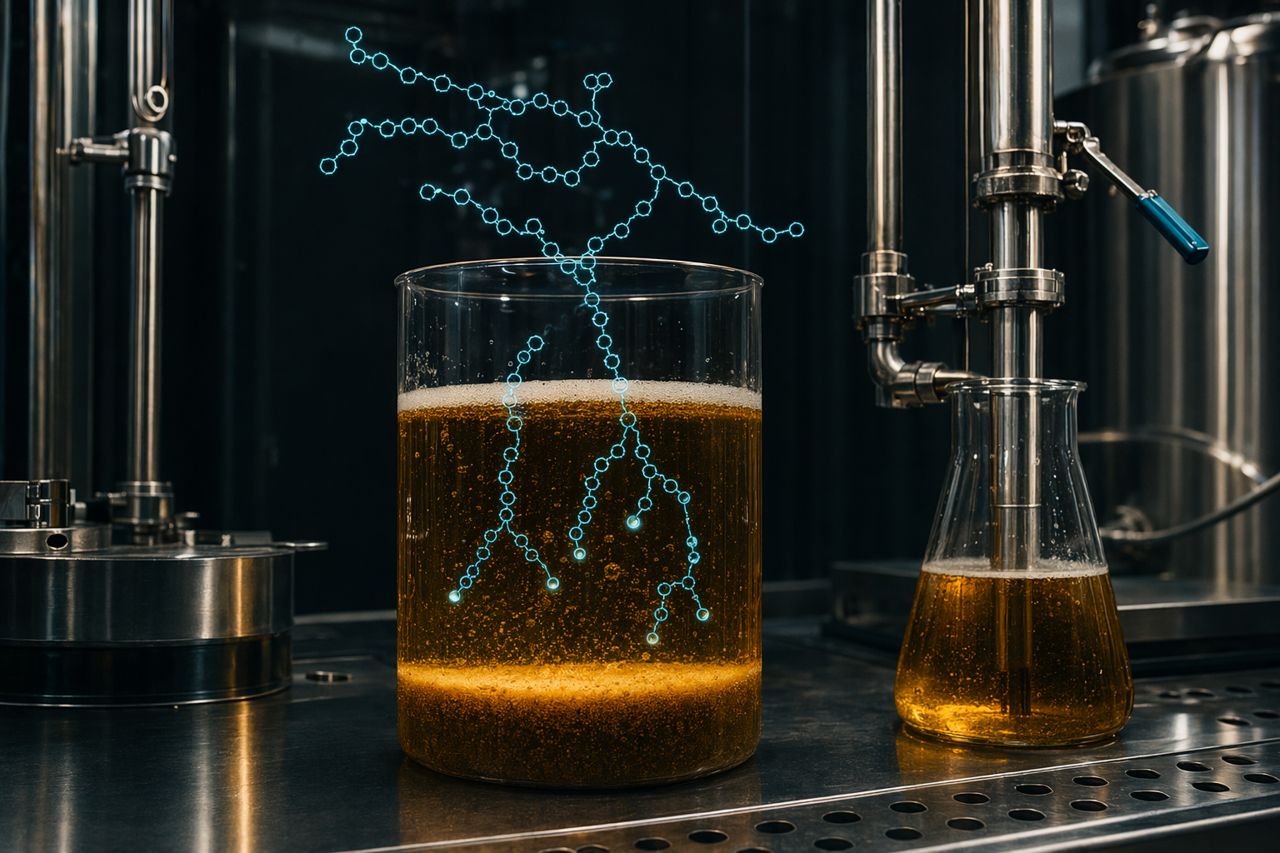
Pullulanase gives brewers a direct way to reduce branched residual dextrins and increase wort fermentability when the target is a drier beer, a low-carbohydrate profile, or better extract from adjunct-heavy grists.
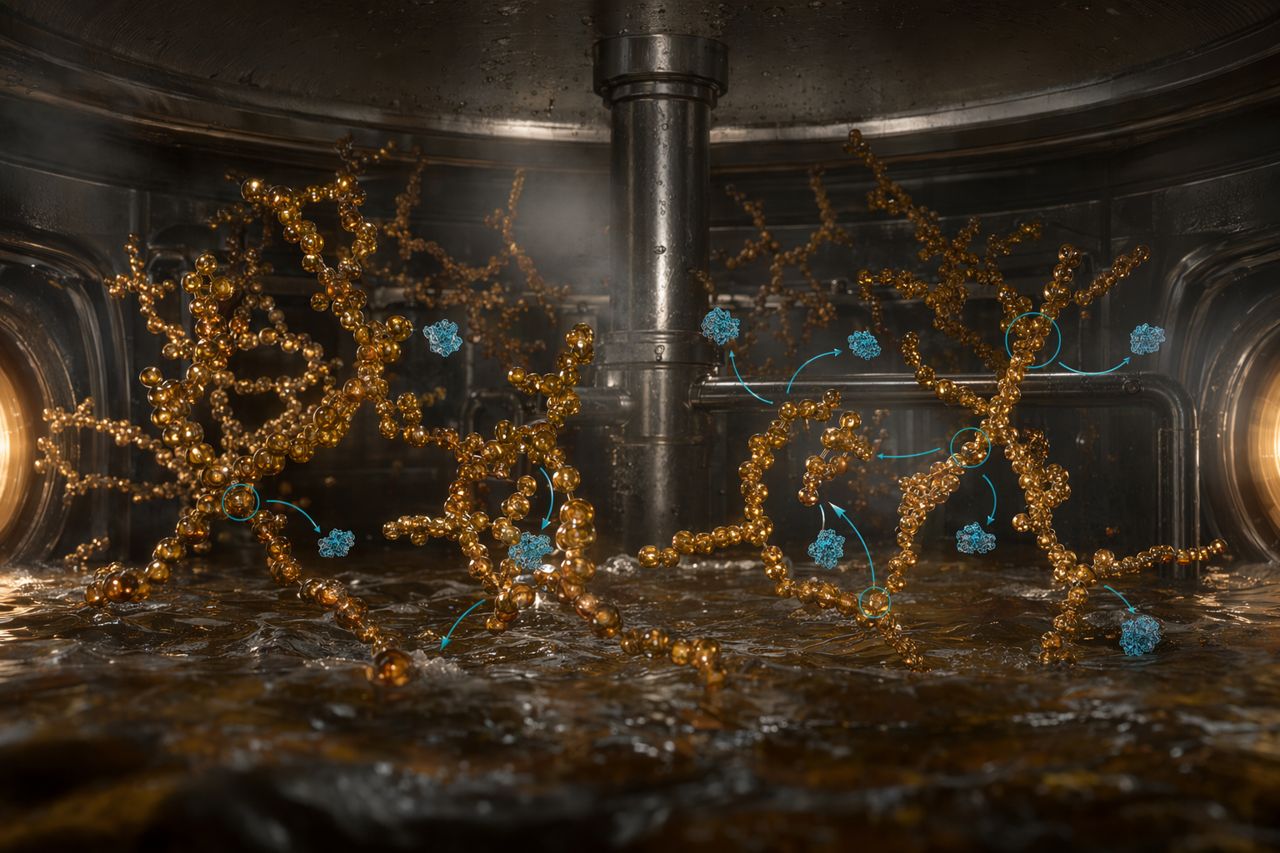
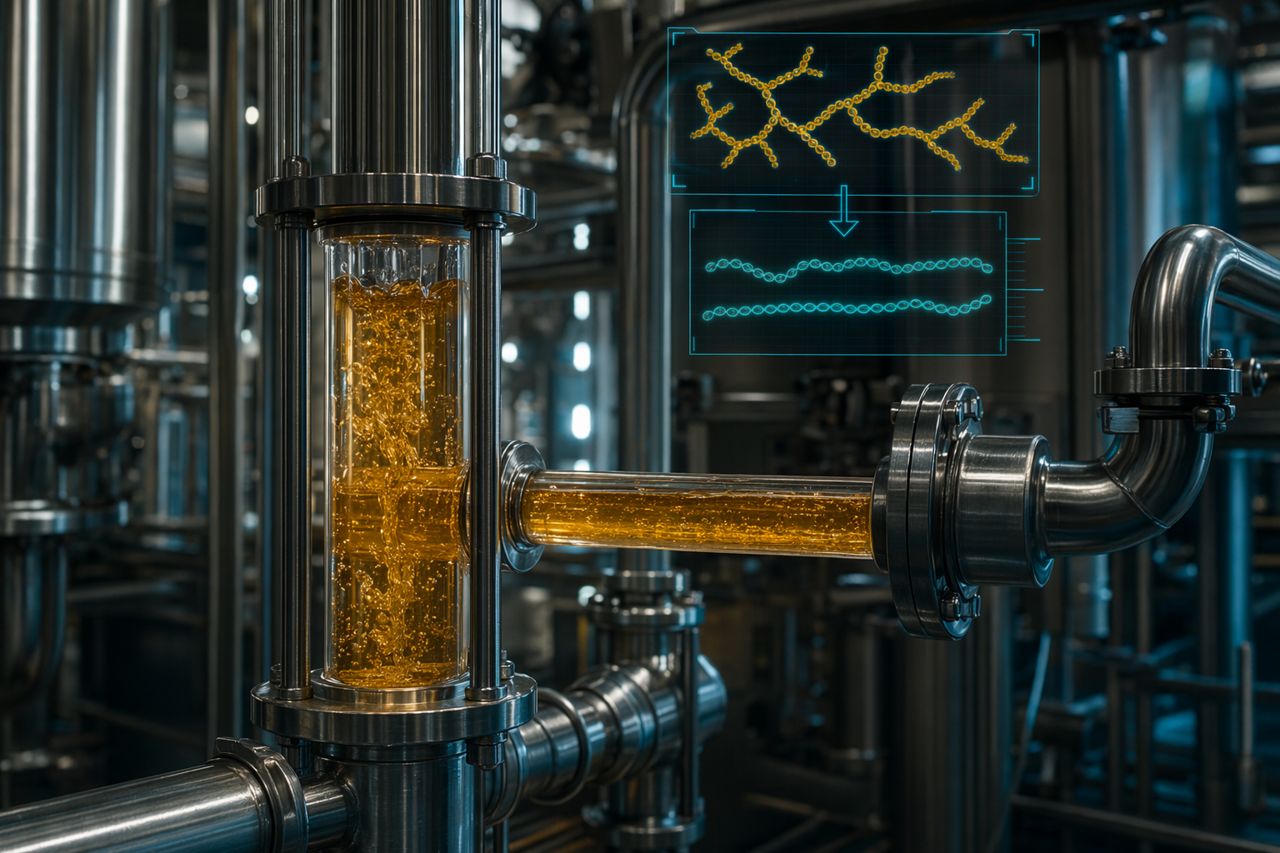
Where standard amylase systems leave alpha-1,6 branch points behind, pullulanase opens those branches. That debranching step makes more starch-derived material accessible to fermentability-focused enzymes and yeast, helping the process move from complex limit dextrins toward a cleaner, more fermentable carbohydrate profile.
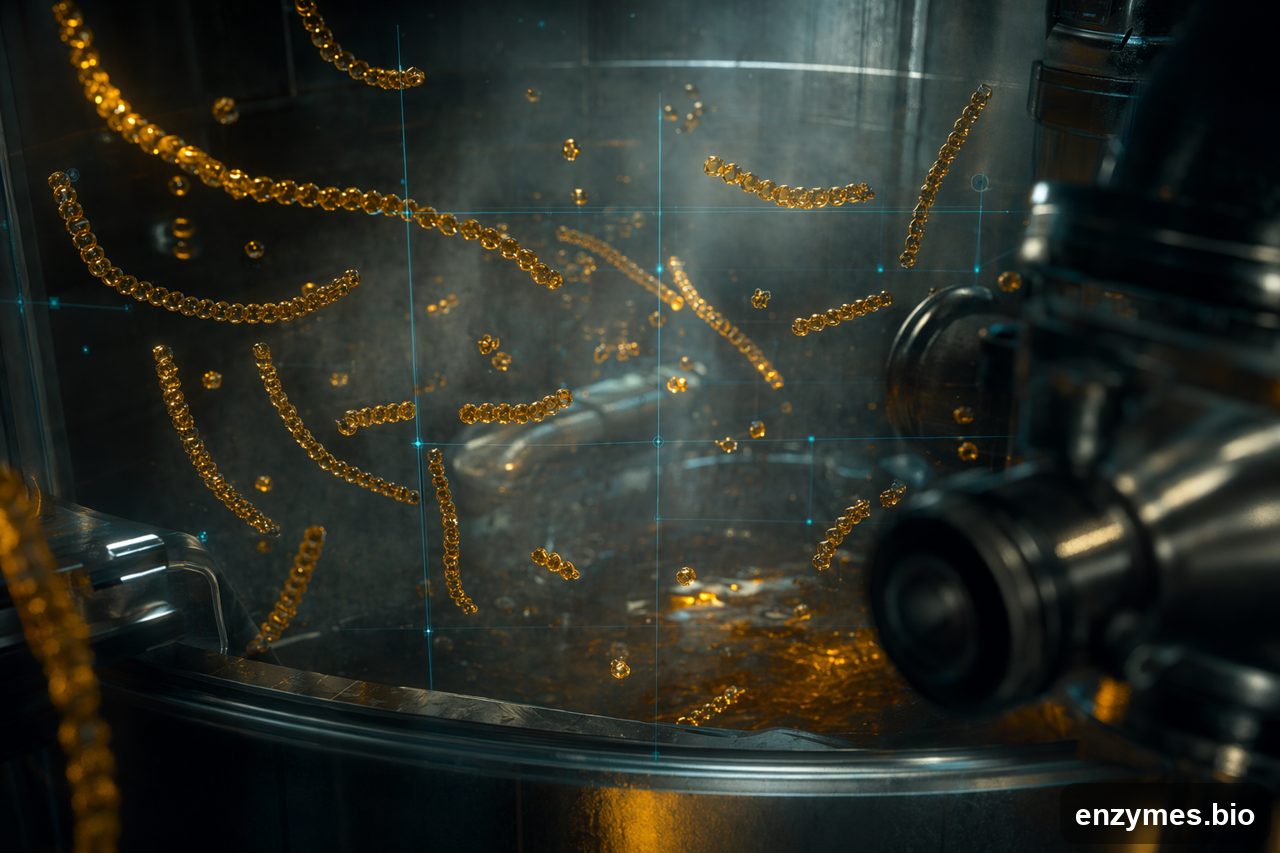
For brewing teams, the commercial value is practical: tighter attenuation control, better adjunct utilization, less sweetness drift, and more confidence when producing dry lager, light beer, high-gravity beer, or low-carbohydrate beer.
Why pullulanase matters in brewing
Brewing conversion is not only about liquefying starch. In many grists, especially those containing corn, rice, sorghum, unmalted barley, or other adjuncts, the wort can retain branched dextrin structures that are not easily fermented.
Pullulanase specifically targets alpha-1,6 branch linkages in pullulan-like and amylopectin-derived structures. By removing those branch constraints, it supports deeper starch utilization and gives downstream enzymes better access to linear chains.

Brewing outcomes supported by pullulanase
- Increased wort fermentability when residual dextrins are limiting attenuation
- Lower final carbohydrate contribution in dry or low-carbohydrate beer programs
- Improved extract recovery from adjunct and high-gravity mashes
- Reduced residual sweetness and heavy palate from branched dextrin carryover
- More predictable fermentation finish when paired with the right process controls
- Greater flexibility in grist design without relying only on malt enzyme potential
Where it fits in the brewhouse
Pullulanase is typically evaluated where debranching has the highest practical value: mash conversion, adjunct processing, high-gravity wort production, and specialty dry-beer programs. The best point of addition depends on the grist, mash schedule, thermal exposure, enzyme compatibility, and whether the brewer wants moderate fermentability improvement or a highly attenuated finish.
Strong-fit use cases
| Brewing challenge | How pullulanase helps |
|---|---|
| Low-carbohydrate beer | Reduces branched dextrin contribution so more carbohydrate can be fermented or removed from the final profile |
| Dry lager and super-dry styles | Supports a cleaner, less dextrin-heavy finish while preserving process repeatability |
| Adjunct brewing | Helps unlock starch value from non-malt materials that may leave more complex dextrin fractions |
| High-gravity brewing | Improves fermentable extract availability and can support more efficient gravity-to-alcohol conversion |
| Attenuation troubleshooting | Addresses branch-derived dextrin retention when yeast health and core mash conversion are already controlled |
Formulation and process considerations
Pullulanase is powerful because it changes the structure of wort carbohydrates. That also means it should be specified with control. Over-conversion can reduce body beyond the sensory target, especially in beers that still need malt fullness or foam-supporting mouthfeel.
Key evaluation points include:

- Malt-to-adjunct ratio and adjunct starch character
- Mash temperature profile and residence time
- Compatibility with alpha-amylase, beta-amylase, glucoamylase, or malt enzyme systems
- Target apparent attenuation and final carbohydrate profile
- Desired body, dryness, and sweetness perception
- Filtration, clarity, and downstream stability requirements
- Regulatory and labeling expectations in the destination market
Pullulanase Enzyme Solutions does not treat pullulanase as a generic additive. The right product recommendation depends on the beer specification and the operating window of the brewery.
Benefits for brewing and procurement teams
Technical teams need performance. Procurement teams need supply confidence. Pullulanase selection should cover both.
Pullulanase Enzyme Solutions supports brewing buyers with:
- Brewing-relevant product guidance for dry, low-carbohydrate, adjunct, and high-gravity applications
- Consistent batch documentation for industrial purchasing and quality review
- Format selection aligned with storage, handling, and production scale
- Specification support for trials, qualification, and repeat ordering
- Commercial responsiveness for forecasted, contract, or project-based demand
Trial strategy: confirm the attenuation target, not just enzyme addition
A pullulanase trial should be designed around the finished beer objective. The useful question is not simply whether debranching occurs. The useful question is whether the process reaches the intended attenuation, carbohydrate, flavor, and body profile without creating an over-dry or thin result.
A practical trial plan should compare:
- Control wort using the current mash and fermentation process
- Pullulanase-treated wort at controlled addition points
- Fermentation performance and final gravity behavior
- Residual carbohydrate profile and sensory dryness
- Final beer body, sweetness, clarity, and stability
For low-carbohydrate beer, the target is typically maximum fermentability with controlled sensory impact. For dry lager, the target may be a more restrained shift: cleaner finish, reduced residual dextrin weight, and repeatable attenuation.
Request pullulanase pricing for brewing
Tell us the beer style, grist profile, current attenuation range, and target finish. Pullulanase Enzyme Solutions will help identify the right pullulanase format and trial path for your brewery.